'%20stroke='none'%3e%3cpath%20d='M%20761%2039%20L%20760%2062%20L%20912%20216%20L%201003%20329%20L%201071%20463%20L%201112%20603%20L%201132%20608%20L%201149%20582%20L%201165%20516%20L%201163%20403%20L%201145%20330%20L%201088%20216%20L%201017%20132%20L%20918%2062%20L%20821%2034%20Z'/%3e%3cpath%20d='M%201429%20756%20L%201409%20755%20L%201383%20772%20L%201233%20919%20L%201123%201002%20L%201003%201064%20L%20862%201111%20L%20852%201131%20L%20925%201156%20L%201044%201155%20L%201142%201131%20L%201246%201080%20L%201313%201029%20L%201395%20932%20L%201432%20834%20Z'/%3e%3cpath%20d='M%20219%20262%20L%20223%20282%20L%20251%20290%20L%20481%20262%20L%20625%20265%20L%20737%20289%20L%20852%20332%20L%20878%20326%20L%20869%20291%20L%20841%20255%20L%20757%20187%20L%20658%20144%20L%20550%20125%20L%20440%20130%20L%20361%20154%20L%20254%20218%20Z'/%3e%3cpath%20d='M%201283%20295%20L%201246%20293%20L%201230%20312%20L%201226%20499%20L%201208%20632%20L%201174%20743%20L%201091%20894%20L%201087%20930%20L%201148%20912%20L%201237%20836%20L%201292%20760%20L%201335%20660%20L%201355%20554%20L%201351%20440%20L%201329%20358%20L%201311%20322%20Z'/%3e%3cpath%20d='M%20518%201092%20L%20526%201128%20L%20551%201167%20L%20633%201247%20L%20724%201300%20L%20821%201333%20L%20906%201345%20L%201023%201337%20L%201100%201306%20L%201152%201259%20L%201147%201240%20L%201118%201230%20L%20913%201217%20L%20782%201194%20L%20655%201151%20L%20545%201092%20Z'/%3e%3cpath%20d='M%20534%20340%20L%20477%20325%20L%20368%20337%20L%20284%20370%20L%20191%20433%20L%20123%20504%20L%2073%20591%20L%2051%20667%20L%2057%20762%20L%2076%20764%20L%20115%20731%20L%20221%20592%20L%20305%20504%20L%20416%20422%20L%20537%20354%20Z'/%3e%3cpath%20d='M%20279%20649%20L%20220%20704%20L%20178%20781%20L%20149%20884%20L%20144%201001%20L%20158%201085%20L%20189%201158%20L%20246%201235%20L%20304%201279%20L%20317%201269%20L%20319%201234%20L%20271%20953%20L%20272%20823%20L%20297%20675%20L%20294%20651%20Z'/%3e%3cpath%20d='M%20340%20984%20L%20329%201040%20L%20349%201141%20L%20392%201232%20L%20447%201305%20L%20519%201372%20L%20613%201424%20L%20715%201441%20L%20759%201431%20L%20757%201407%20L%20727%201375%20L%20578%201256%20L%20502%201183%20L%20441%201111%20L%20362%20993%20Z'/%3e%3c/g%3e%3c/svg%3e)
Zhumell Z12 is a bit too much in every way, but in a good way. If raw visual power is your goal, this telescope delivers it in a way very few consumer setups can match.
Pros
- Huge 12-inch aperture delivers exceptional planetary and deep-sky views
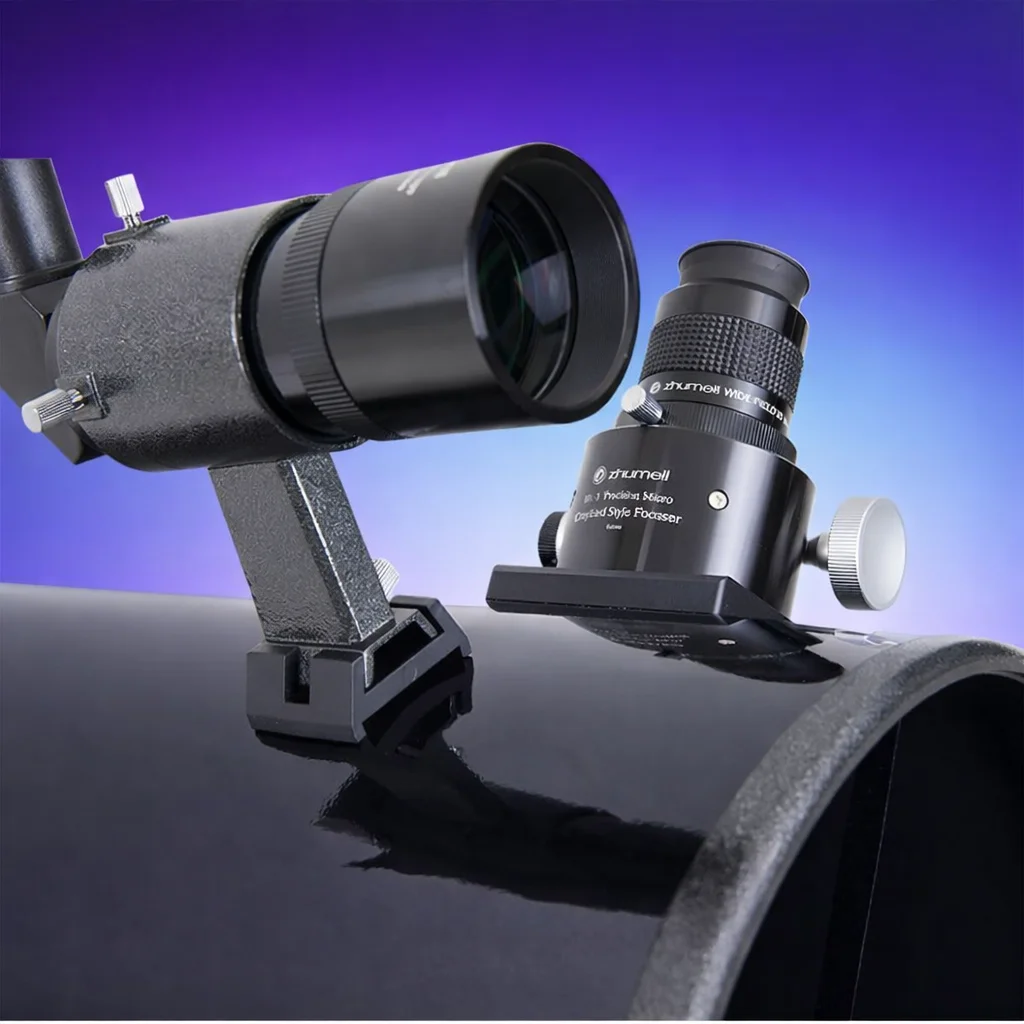
- Dual-speed 2-inch Crayford focuser is smoother and more precise than most rivals
- Included 8x50 RACI finder, laser collimator, and cooling fan add real value
- Adjustable side tensioners help with balancing heavy accessories
Cons
- Tube and base are heavy enough to make transport a constant challenge
- Stock 9 mm eyepiece underdelivers for planetary work
- f/5 edge coma is noticeable without a coma corrector
- Particleboard base is functional but not premium
Review
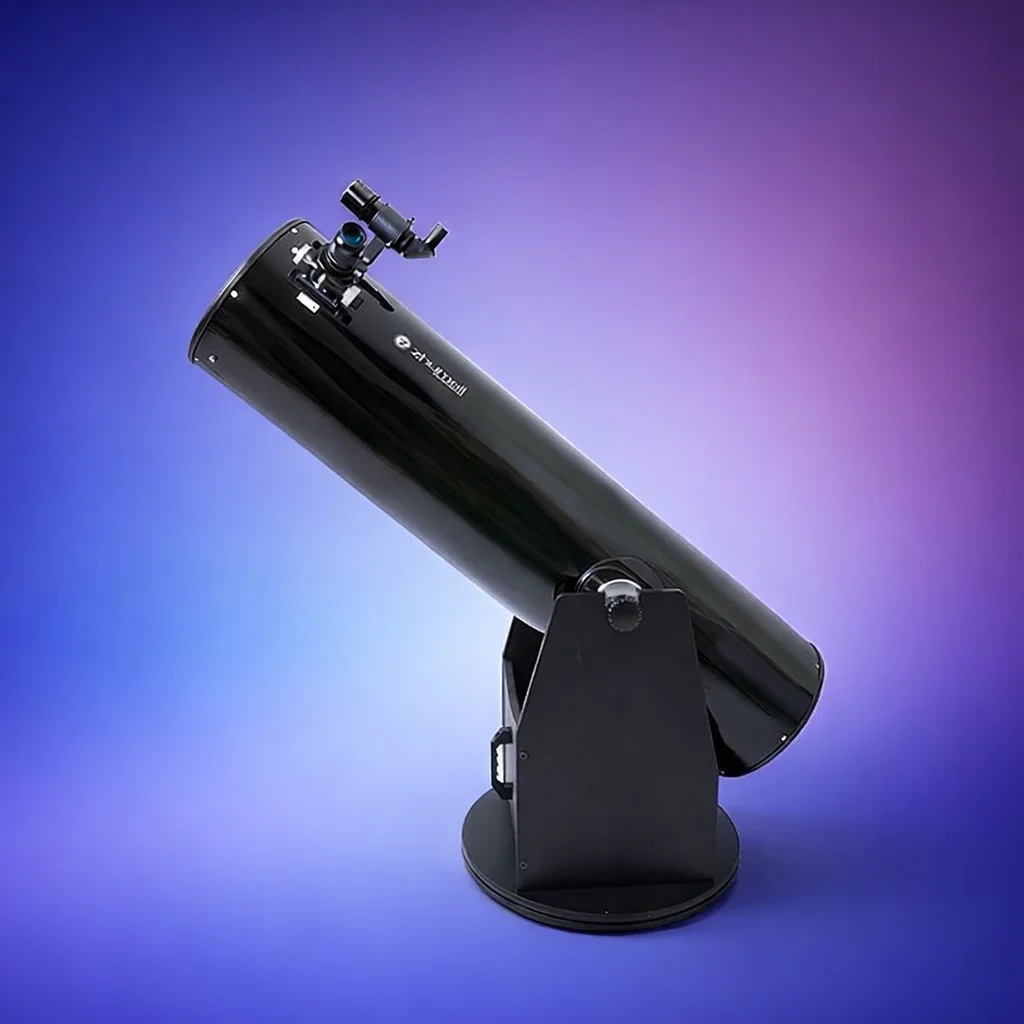
Z12 is a powerhouse. If it could talk, its first words would be, “You want power? Here you go.” There is nothing fundamentally different about this scope compared to the rest of Zhumell’s Z series in layout and component philosophy. The key difference is scale: it is simply much larger and much more powerful.
If you buy this telescope, be ready for real muscle work. A permanent spot in a garage, shed, or backyard observatory is ideal. If you expect to move your telescope constantly, smaller apertures make more sense. An 8-inch Dobsonian is far more portable, and a 10-inch is still manageable. The Z12 is demanding no matter your size.
Optics
The primary mirror is 12 inches (305 mm), and the focal length is 59 inches (1500 mm). At this price tier, mirror quality is broadly similar across major Dobsonian brands such as Zhumell, Sky-Watcher, Orion, and LightBridge. Where the Z12 separates itself is not boutique optics, but sheer light-gathering scale.
Compared with a 10-inch Dobsonian, a 12-inch gathers about 44% more light. That difference is immediately visible in brightness, contrast, and detectability of subtle structure. The core optical weakness is edge coma from the fast f/5 system. A coma corrector can clean this up; the Sky-Watcher 0.9x unit is a common solution, though it adds significant cost. You can delay that upgrade, but expect some coma near the field edges without it.
Planetary and Lunar Performance
Out of the box, planetary performance is held back by the included 9 mm Plossl. It is usable but not remotely enough to show what this scope can really do. With a better planetary eyepiece, performance jumps from good to absurdly good.
Jupiter shows multiple bands, the Great Red Spot, and crisp Galilean moons that appear disk-like rather than star-like. Saturn shows ring structure, clear Cassini Division, and multiple moons with Titan standing out as a small disk. Mars reveals meaningful albedo markings and polar caps during favorable conditions. Venus phases are straightforward. Uranus and Neptune show as blue disks, and Triton can be seen with Neptune under suitable skies. Mercury and Pluto remain difficult, tiny points in typical amateur conditions.
The Moon is where Z12 can become almost overwhelming: crater walls, rilles, ejecta fields, and mountain relief stack up with striking depth and contrast. Lunar observing shifts from casual scanning to a genuinely immersive experience.
Deep-Sky Performance
Deep-sky is where Z12 becomes truly dominant. The 2-inch focuser and f/5 system allow wide, bright, high-contrast views with enough image scale to make object structure easier to read. Under dark skies, nebulae, galaxies, and clusters stop looking like vague smudges and start showing texture and shape.
The full Messier catalog is well within reach. In genuinely dark conditions, this telescope can deliver a life-changing session: dense star fields, galaxy groups, bright nebular structure, and a level of depth that materially changes what visual astronomy feels like.
The Size and Weight Problem
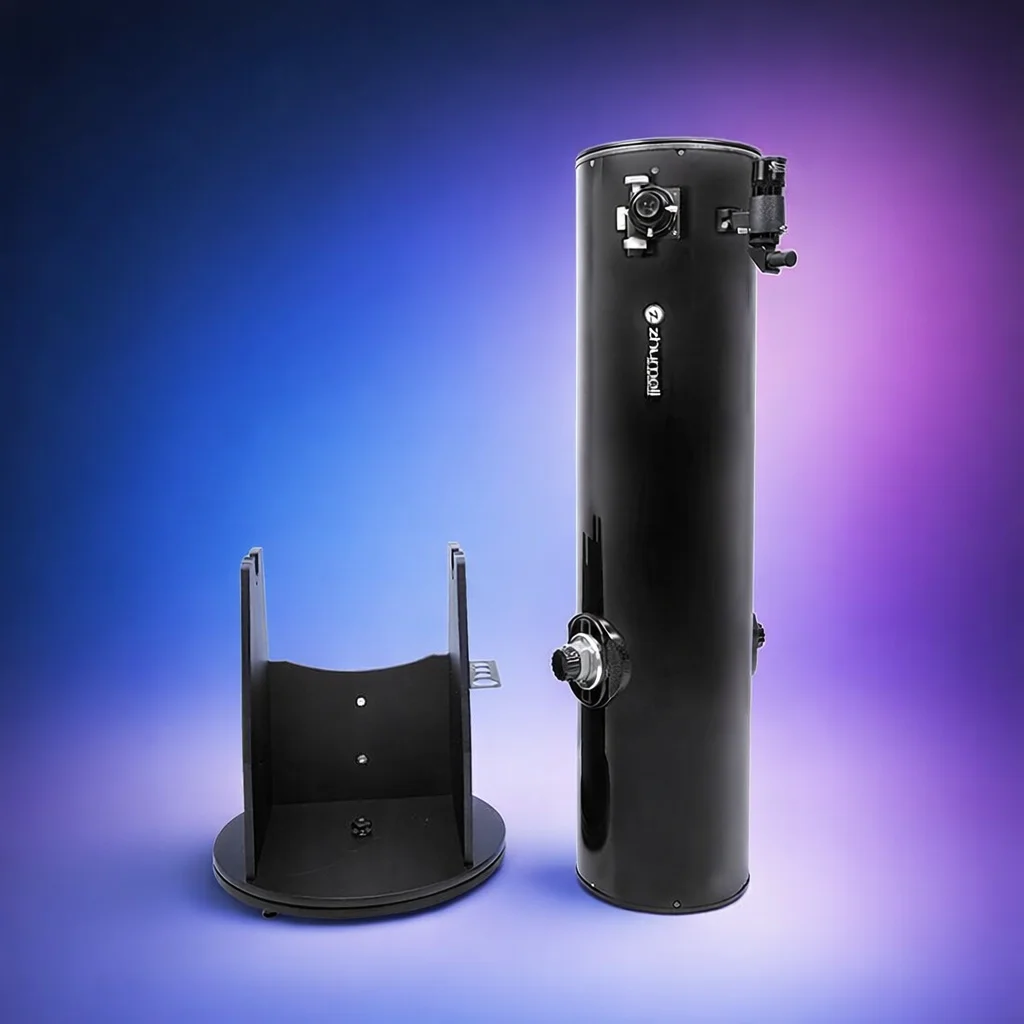
All that optical power comes with a cost: transport difficulty. The optical tube weighs about 66 lb (29 kg), and the base is about 38 lb (17 kg). Both are carryable, but neither is pleasant over distance. A second person helps substantially.
Many owners use wheelbarrow handles, carts, or dedicated rolling platforms. That is not overkill; it is smart risk management. A single drop can end the night and potentially destroy the primary mirror.
Mount
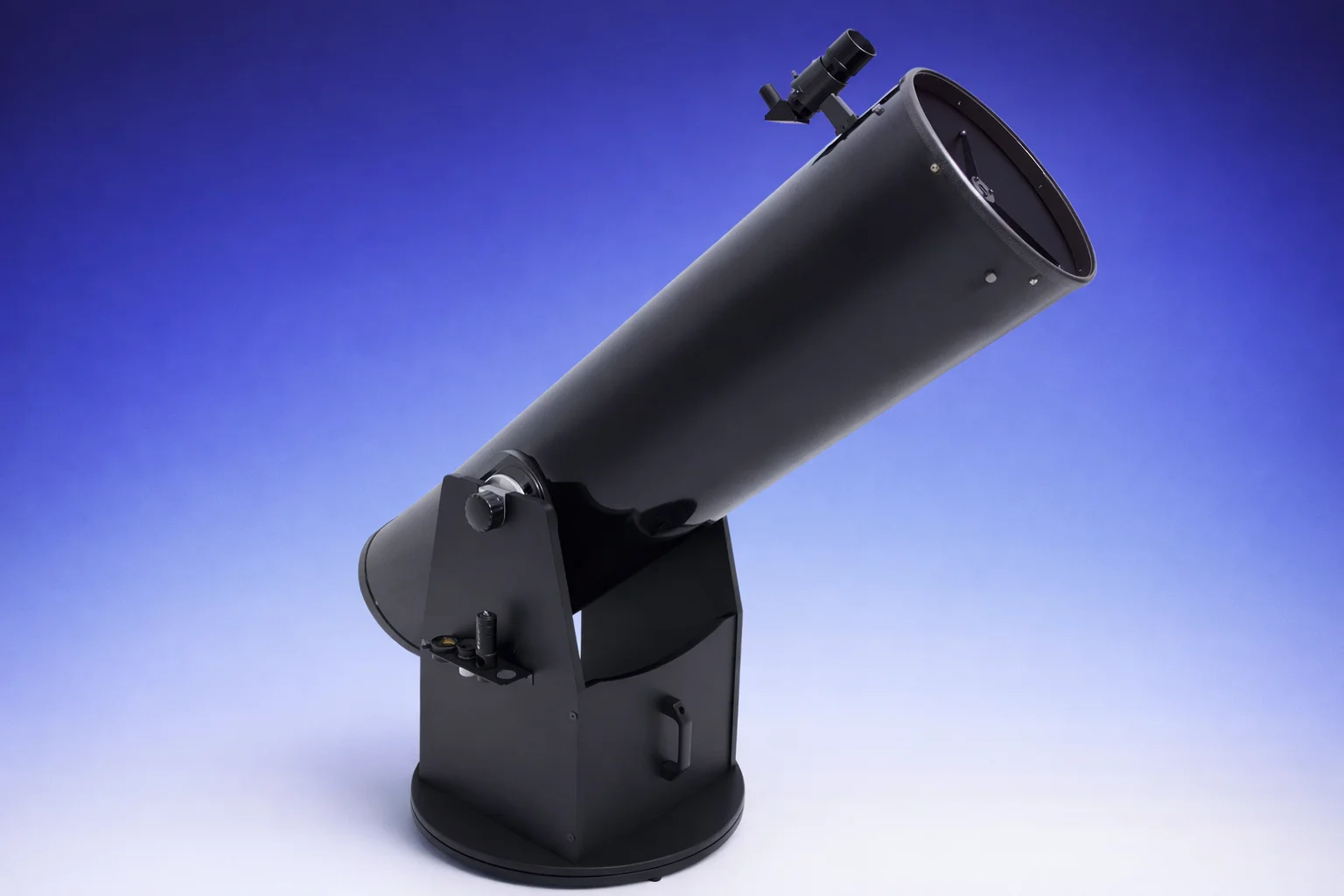
The Dobsonian mount is simple by design: altitude and azimuth motion only. Zhumell uses roller-style bearings rather than classic Teflon-on-laminate feel. Motion tends to feel more gliding and responsive, while still staying stable at high power.
The side tensioners are movable, which is useful for balancing heavy accessory loads. The process is awkward, however: you must remove the tube, relocate hardware, and reassemble. Even after adjustment, extra counterweight is usually needed for perfect balance with heavier eyepieces or accessories.
The particleboard base is sturdy but not premium. If the laminate gets damaged, moisture can become a long-term durability issue. Even so, the overall mount behavior is strong, responsive, and confidence-inspiring in actual use.
Accessories
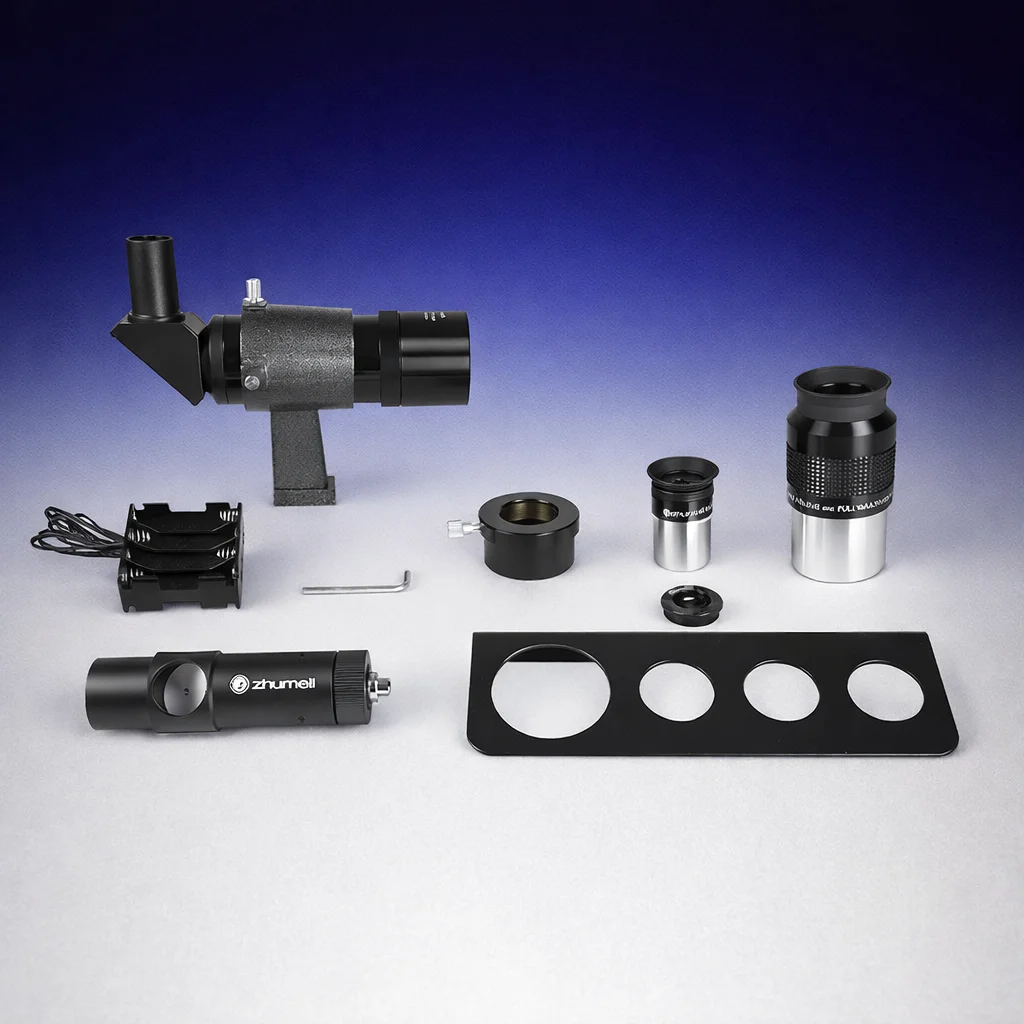
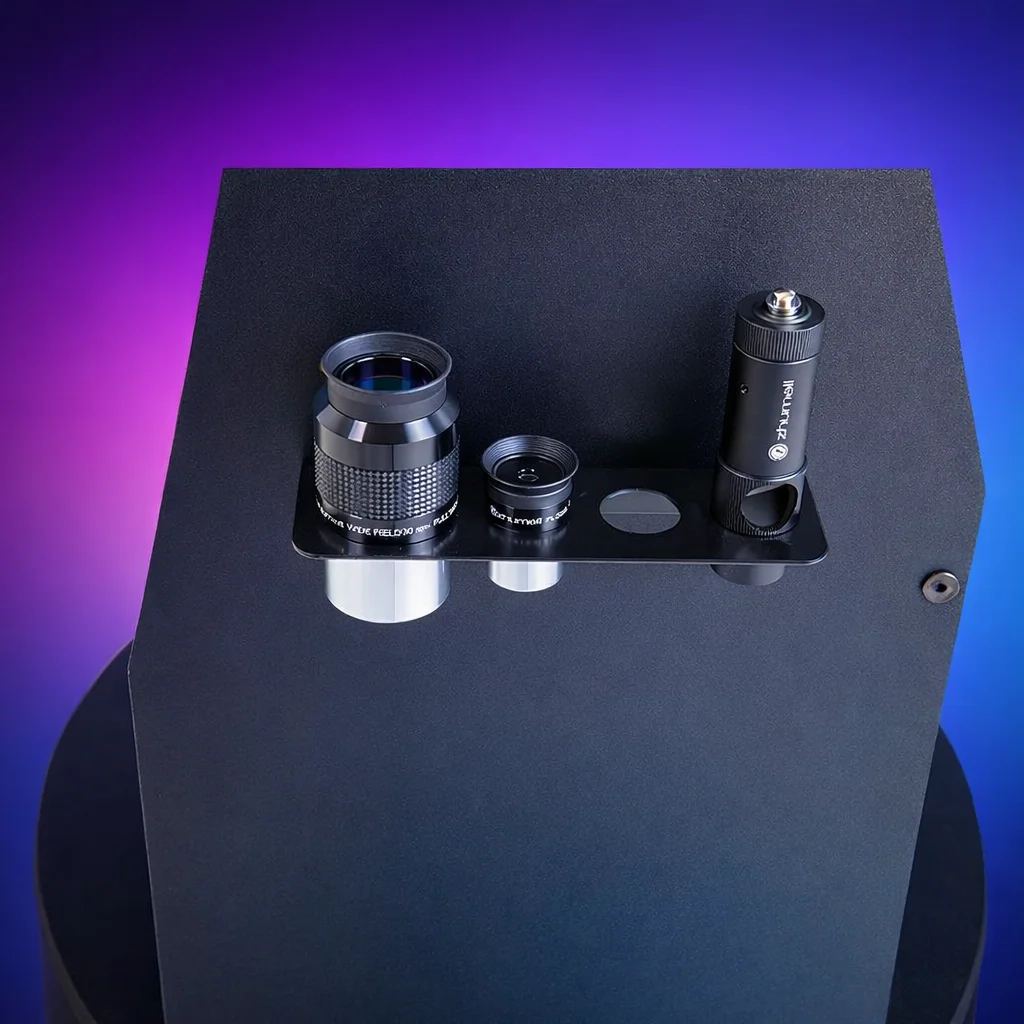
The included accessories are a mixed bag. The 30 mm wide-angle eyepiece is genuinely decent and much better than the included 9 mm Plossl. The 9 mm should be your first upgrade if you care about planetary performance.
The 8x50 right-angle finder is very usable and more comfortable than basic straight-through finders bundled with many competitors. The included laser collimator is also valuable, though some units require initial self-alignment. The dual-speed 2-inch Crayford focuser is a major strength: smooth travel, good rigidity, and fine-focus control that helps at high magnifications.
Zhumell also includes a cooling fan, which improves mirror temperature equalization and helps stabilize views. Aside from the budget eyepieces, the accessory package is one of the reasons the Z series remains so competitive.
Drawbacks
The stock eyepiece set limits out-of-box performance, especially for planets. Transporting the telescope is always a logistical challenge and, if done carelessly, a real risk to the optics. In some vehicles, fit can also be a practical problem.
Conclusion
Z12 is pure power. If that is what you want, it is one of the strongest complete options in the 12-inch Dobsonian class. You should still compare truss and collapsible alternatives before buying, but those options usually trade lower packed size for higher complexity or significantly higher cost.
For observers who can handle its size and weight, the Zhumell Z12 delivers a level of visual performance that justifies its reputation. It is excessive in all the right ways.