
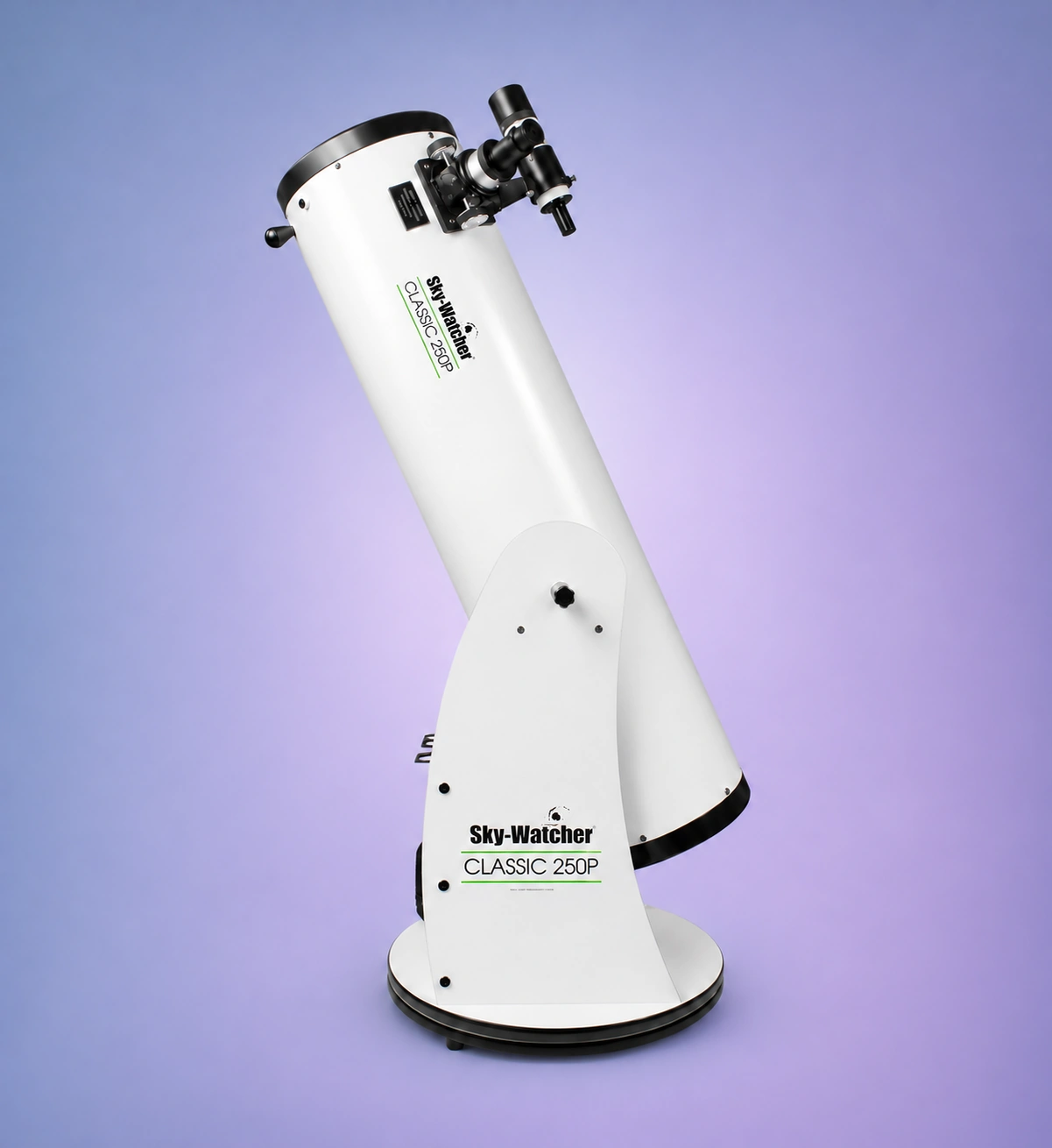
Based on owner reports and hands-on reviews, SkyWatcher 10“‘s optics are perfection. Its accessories? Not so much.
Pros
- Powerful Optics
- Sturdy Build
- Tensioners Work Well
- Butter-Smooth Base
- Phenomenal Basics
Cons
- Weight
- Inadequate Eyepieces
- No Balance Adjustment
- Loose Focuser
Available at These Vendors
Review
A 10” Dobsonian should be perfect. Of course, differently priced telescopes will always be in the market, but they shouldn’t let you down with their vital parts. The focuser must work properly, the base should be butter-smooth, and the accessories that come with it should be somewhat pleasing. They are all above 600$ after all.
SkyWatcher 10” has a decent base and great optics. But other than that, owners report everything feels cheap. The eyepieces, the focuser, the finder… It is an awesome telescope, but the Z10 is so much better you can’t help but feel a little disappointed.
But there is also the fact that SkyWatcher 10” is 100$ cheaper. So after this point, it is a matter of financial preference. Thankfully, all the problems of SkyWatcher 10” are upgradable.
SkyWatcher 10” gets the basics right.
Optics
Owners and reviewers agree SkyWatcher 10” has terrific optics.
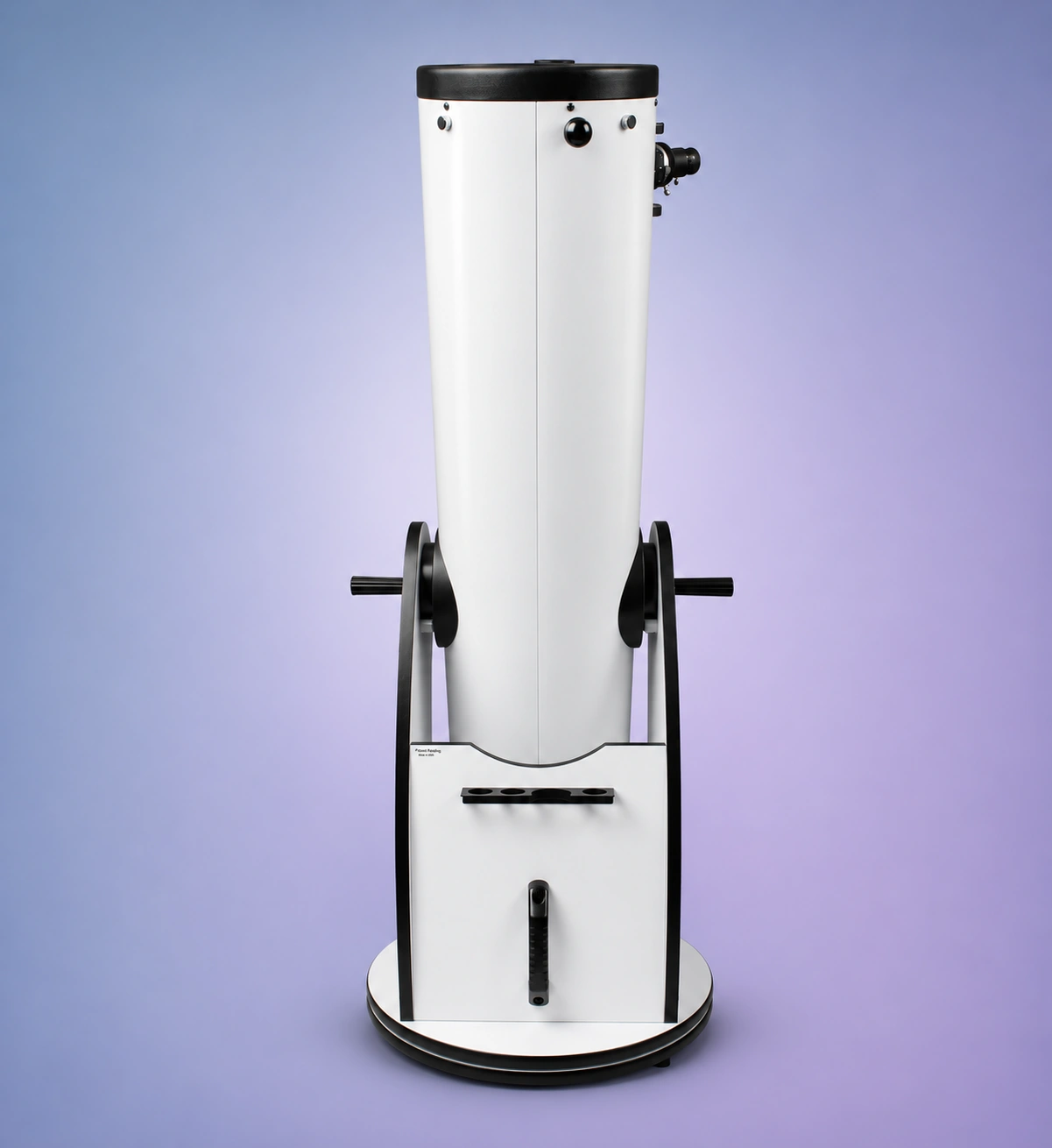
The optics of SkyWatcher 10” are the same as any other 10” Dob. It has an awesome 253mm primary mirror, and a 1200mm optical tube. Such an optical design leans more towards deep space performance, but planetary performance will still be mesmerizing. A 253mm gathers so much light, it is impossible for it to provide any kind of low-quality image in any area.
Collimating(aligning) the optics are relatively harder than the usual Dob. But once you get used to it, it will feel effortless.
Planetary and Lunar Performance
Owners report the planetary performance of SkyWatcher 10” is average at best with the 10mm eyepiece that comes with the telescope. If you get a Goldline or a specialized planetary eyepiece, the performance will be fantastic. You will still get the “same” details, but double or triple the resolution and color accuracy, depending on the eyepiece you get.
Jupiter will show its many stripes, The Great Red Spot, and its 4 Galilean Moon’s. The moons will appear as colorful disks instead of dots.
Saturn will show its rings easily distinguishable from the planet with some color, The Cassini Division, its many moons, and its largest moon Titan as a disk.
Mars will show a remarkable amount of surface detail as black and white stains. You may get a glimpse of its moons, but it is not easy with a 10” Dob.
Venus will appear as a yellow disk, and its phases will be easily observable.
Neptune and Uranus will appear as blueish dots, and Triton will show itself.
Mercury and Pluto will look like tiny dots.
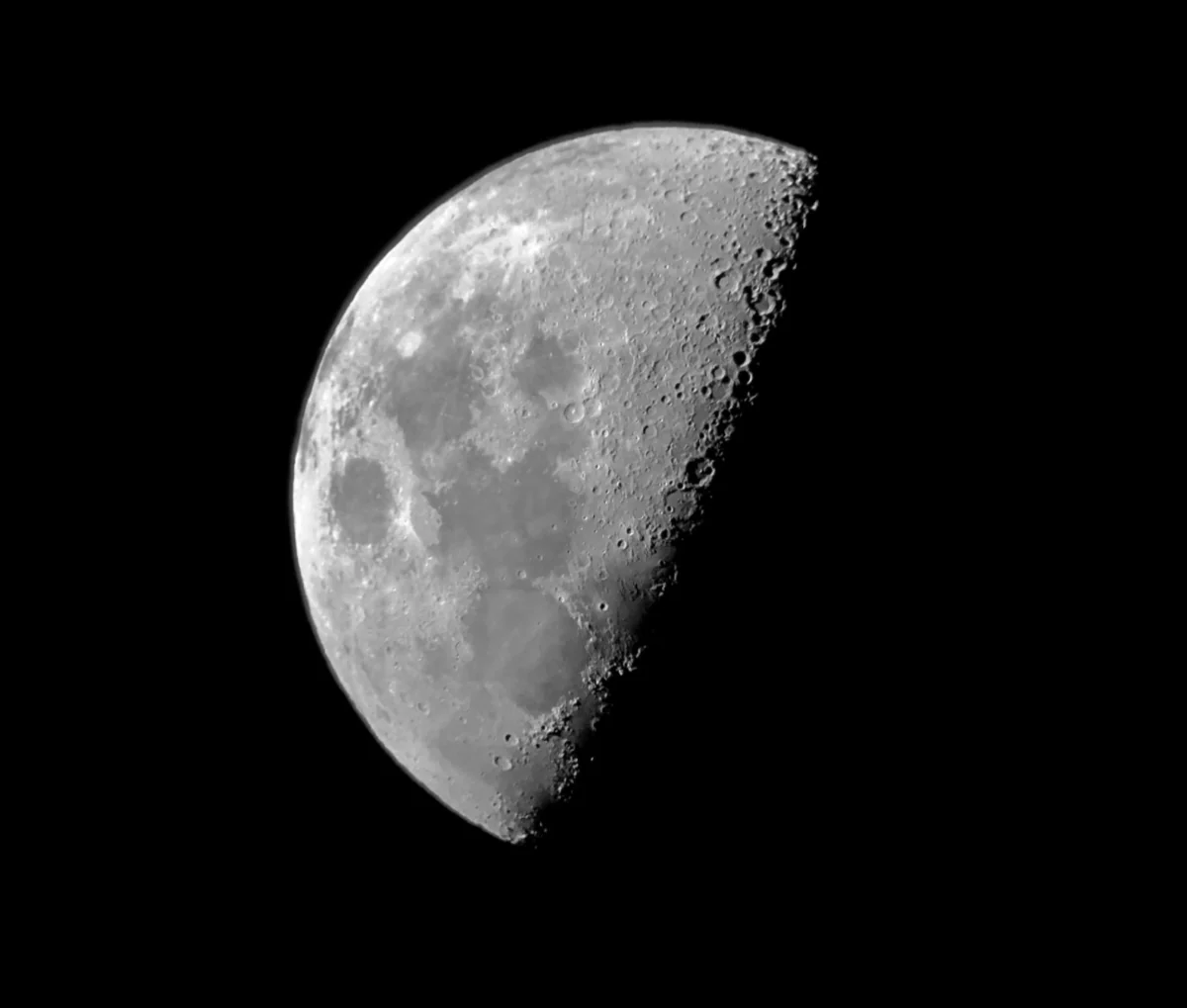
The Moon will show a ridiculous amount of craters and mountain ranges with on-point color accuracy. Owners describe lunar observations with this telescope as mind-blowing for anyone who hasn’t looked through a telescope before.
Overall planetary performance is phenomenal, but with an additional, planetary eyepiece.
Deep Space
Deep space performance is better than planetary out of the box. This is due to the low-focal ratio and the exceptionally large primary mirror. SkyWatcher 10” is essentially a light bucket, delightful for nebulas, galaxies, and star clusters.
Owners describe deep space performance as mesmerizing out of the box.
Although the 25mm eyepiece is average, the 2” focuser and the focal ratio are both enhancers of deep space imaging.
According to owner reports, the popular deep space targets look exceptionally detailed and bright, with countless tiny stars surrounding them. Some of these targets are Andromeda, Orion, Pleiades, Hercules, and Whirlpool. We suggest you take a look at these deep space objects first. They will look sensational despite the atmospheric conditions.
Overall the optics of SkyWatcher 10” are powerful and precise, but this doesn’t provide it with any particular advantage over its competitors. All the 10” Dobs have the same amazing optical quality.
Mount
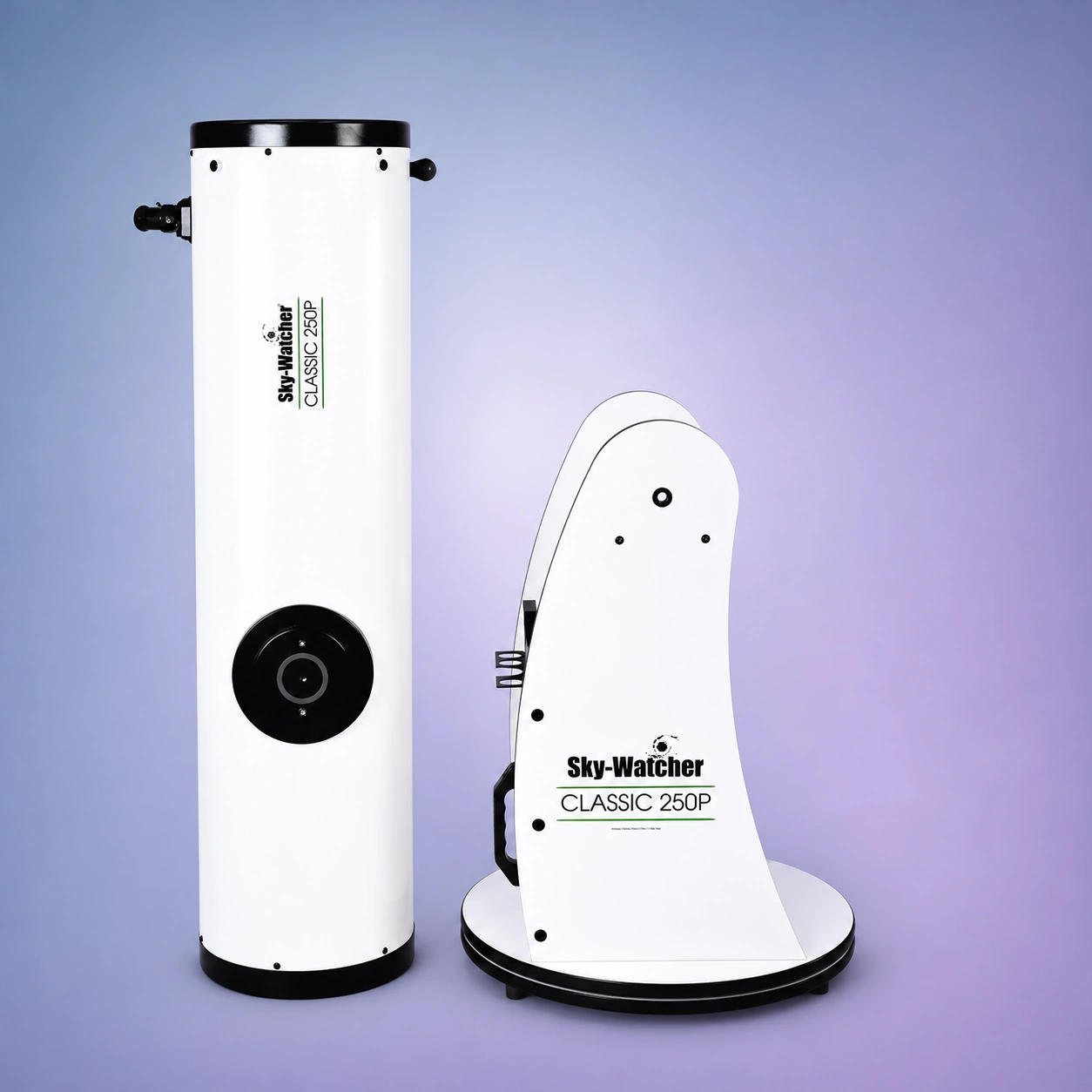
The mount of SkyWatcher 10” is nothing special. It is the usual particleboard, Dobsonian base. It is expectedly heavy but easily carried without the optical tube attached.
Thankfully SkyWatcher used Teflon bearings with the base instead of Nylon in contrast to the XT10. Teflon is vastly superior to Nylon in every way. It is smoother and more durable. Owners say bearings of Z10, though, feel better than SkyWatcher’s Teflon. But the difference is not that noticeable.
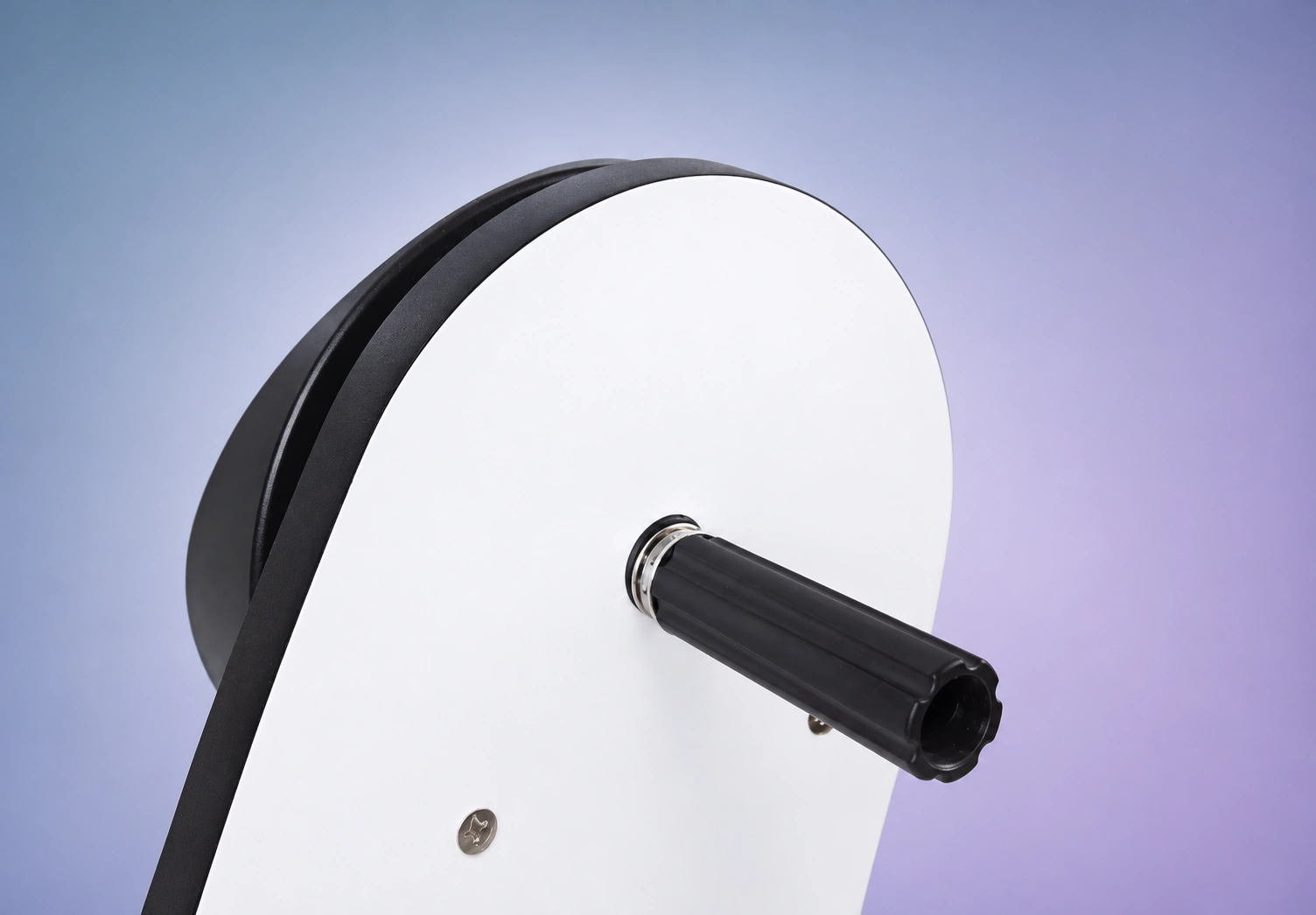
The tensioners on the sides have a simple design. You just squeeze the optical tube to provide more friction. If you start using heavy eyepieces, you will have to use the telescope with more friction all the time. This is not smart. Again, Z10 is superior in this area with movable bearings.
There is not much to talk about with the base. Owners report it is simple, and does its job pretty well. The balancing issue can be solved with additional weights attached to the optical tube, but it is not an ideal solution.
Accessories
The accessories are the most disappointing part of the whole package. We can understand the lack of high-quality eyepieces and finders, but the focuser should have been better-made.
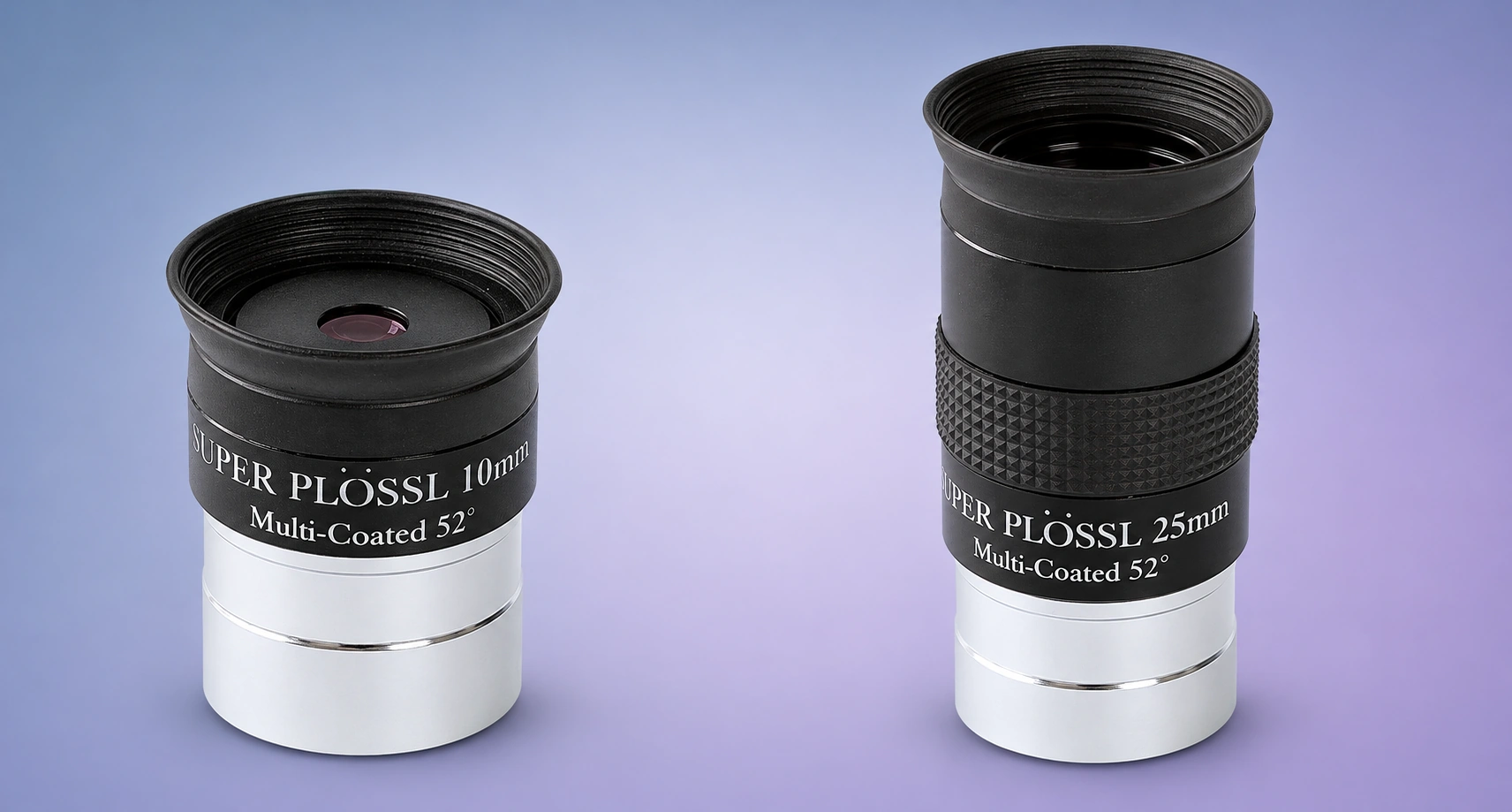
The eyepieces are average.
The eyepieces are 10mm and 25mm Plössl’s. They don’t nearly provide the potential of SkyWatcher 10”. A 2”, wide-field eyepiece for deep space and a planetary eyepiece is necessary. Be ready to spend around 70-120$ for additional eyepieces.
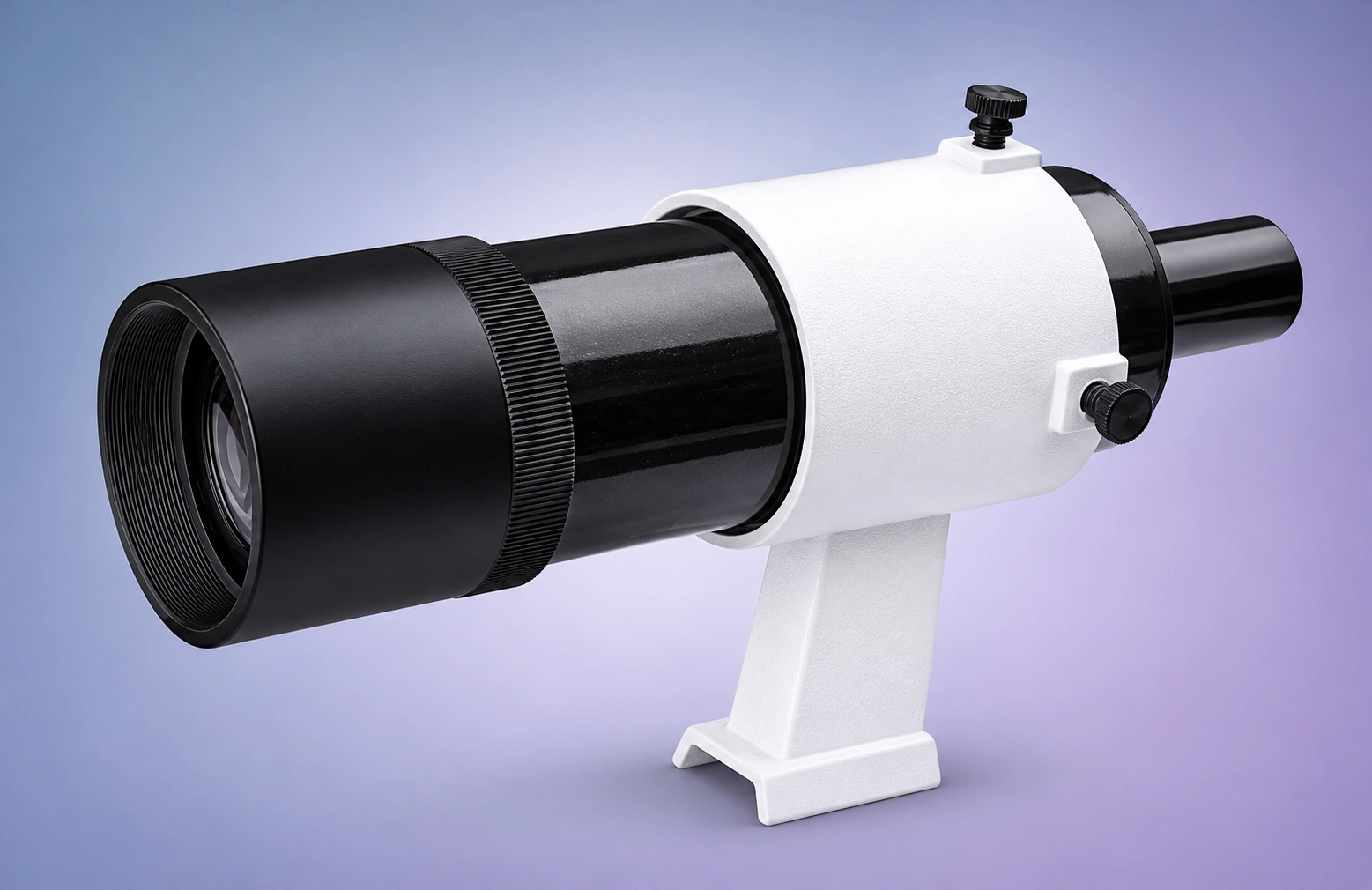
The finder is a flat 9x50. It doesn’t go well with a Dobsonian. Owners find it hard to look through, and the images it provides aren’t that great. A 90-degree finder or a Telrad would be much better.
The finder is not a good choice.
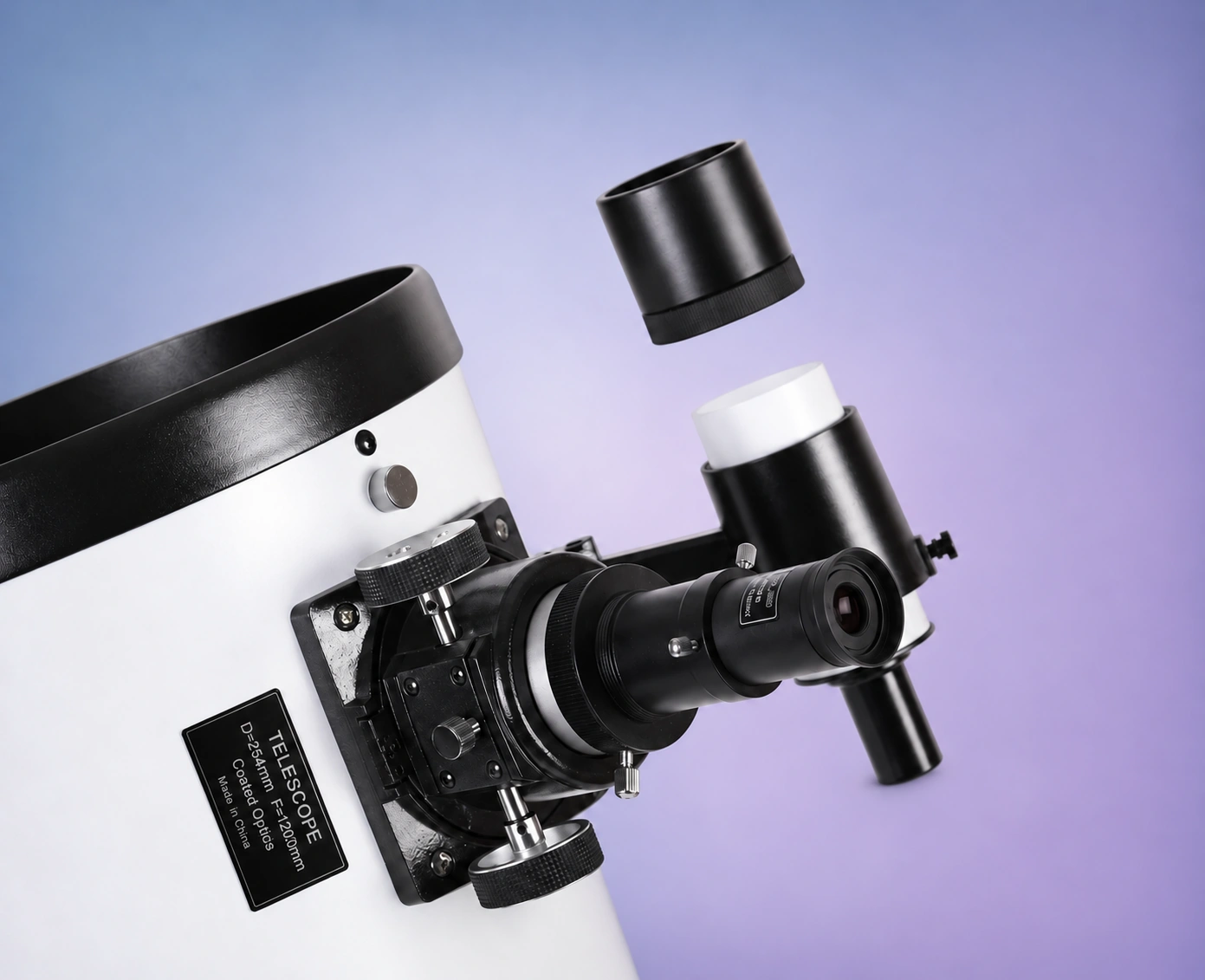
2” Focuser is not well-made.
Owners report the focuser doesn’t feel as good as those that come with other 10” Dobs. It is not as sturdy and smooth, and it lacks fine-tuning. The 1.25” adapter that comes with it is reported to be loose and makes it incredibly hard to focus at high magnifications with 1.25” eyepieces.
Drawbacks
Although the fundamentals of this telescope are superb, the accessories ruin the whole experience. The eyepieces, the finder, the focuser, and the tensioners all need upgrades.
Conclusion
Experienced astronomers who recommend the SkyWatcher 10” Dob already have high-quality accessories to upgrade the telescope. A beginner will have to spend a lot of effort and time upgrading these parts, and of course, money.
SkyWatcher 10” is definitely better than the XT10, but if you can get the Z10, get it. It is worth it.
Disclaimer: This review is based on official specifications, owner reports, and independent reviews. We have not personally tested the Sky-Watcher 10” Classic Dobsonian, but we’ve gathered information from multiple trusted sources to provide a fair and accurate summary.